


The Big Give: Christmas Challenge
ONE DONATION, TWICE THE IMPACT
Helping babies stay safely in the womb for longer
One donation, twice the impact – get your donation doubled for free!
One in 20 pregnancies worldwide is affected by fetal growth restriction. Right now, doctors can only watch and wait. But a drug already used in pregnancy may be able to help. With Action's support, Dr Michael Wilkinson is finding out. If it works, it would be the first effective treatment – and could mean fewer babies being born dangerously early.
From 1 to 8 December, every £1 you give becomes £2 to help babies affected by fetal growth restriction.
The Big Give Christmas Challenge is the UK’s largest annual online fundraising campaign where donations to participating charities are DOUBLED through match funding. This means that for every £1 you donate, Action Medical Research receives £2, effectively doubling the impact of your contribution.
The way it works is that we secure pledges from our supporters and additional funds from ‘Champions’ (generous individuals, foundations, or corporations). During a specific campaign week (1-8 December this year), when you donate through the Big Give website, your donation is matched by these funds, as long as match funds are available.
Getting involved is simple
1. Make your donation online: Donations can be made via the charity's page on the Big Give site from midday 1 December to midday 8 December. You'll know in real time if your donation is matched.
2. Timing matters: The earlier you donate once the challenge starts (1 December), the more likely your donation will be doubled, as matching funds are limited.
It’s an easy way to amplify your impact on Action’s vital work.
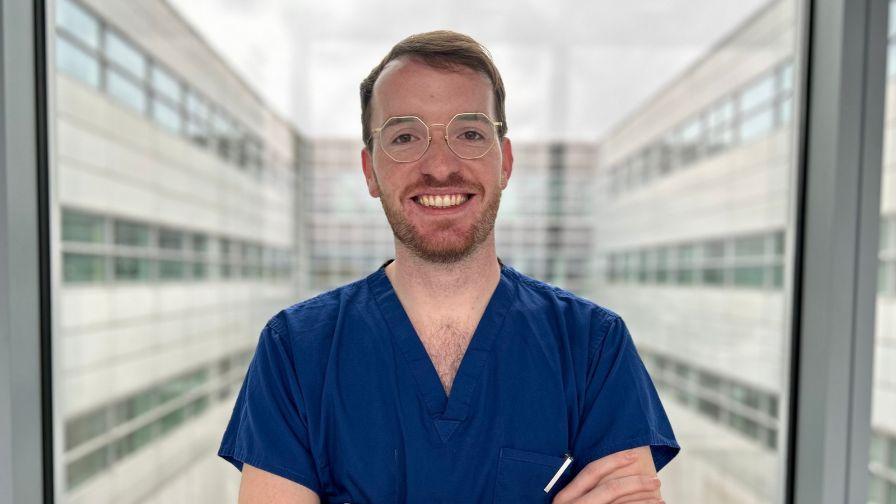
Developing a treatment for fetal growth restriction
Fetal growth restriction (FGR) happens when a baby grows more slowly than expected, usually because of problems with the placenta – the organ that supplies the oxygen and nutrients a baby needs to thrive.
FGR is a leading cause of stillbirth and serious illness in newborns, and can result in babies being delivered extremely early. There are currently no effective treatments. All doctors can do is monitor affected pregnancies closely and advise on the safest time for delivery.
Dr Michael Wilkinson is investigating whether a drug already used during pregnancy could help affected babies stay safely in the womb for longer. The drug is routinely given before early delivery to help a baby's lungs mature – but evidence suggests it may also improve blood flow to the placenta, opening up the possibility of a new use.
If successful, this could lead to the first effective treatment for FGR, improving outcomes for babies and their families.
Millie and Scarlett's story
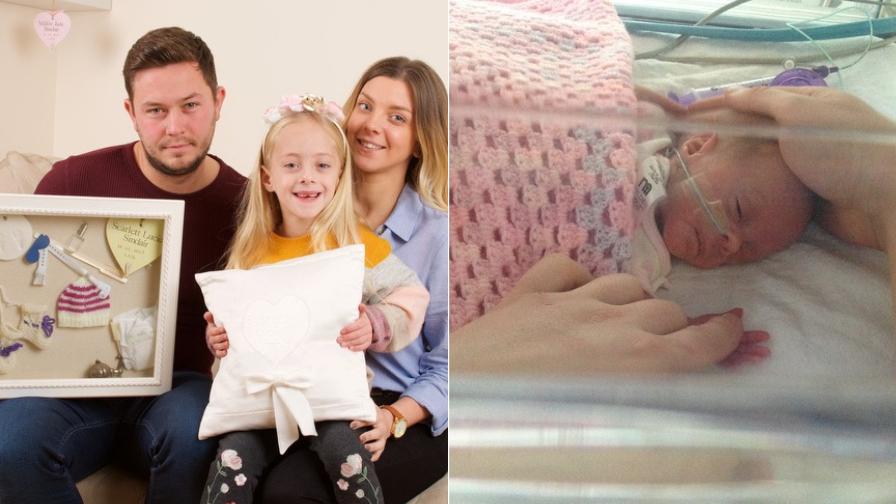
Extra scans had been scheduled after Emma discovered she was expecting twins and at a 16-week check, doctors raised grave concerns about the babies’ growth. The twins were diagnosed with fetal growth restriction (FGR), with doctors giving them only a 60 per cent chance of survival.
“It was brutal. They said we shouldn’t hold out hope of meeting them”
Emma and partner Dan tried to remain positive and had weekly check-ups. But at just 28 weeks into her pregnancy, the decision was made to deliver the twins by caesarean section.
Scarlett was born first, weighing just 1lb 6oz, followed by Millie at a tiny 1lb 4oz. Both girls cried as soon as they were born, before being rushed into incubators, too small and fragile even to be held.
Sadly, Scarlett struggled from the start and needed intensive support with her breathing. At three weeks old, she developed necrotising enterocolitis (NEC), a serious and fast-moving bowel disease to which premature babies are especially vulnerable. It became clear that she could not survive, and Emma and Dan had to face the heartbreaking loss of their tiny daughter.
“They told us we could hold her until they switched life support off. We held her in our arms, on a cushion as she was so fragile”
Soon afterwards, Millie also developed NEC and became gravely ill. Thankfully, following emergency surgery, she pulled through.
Today, Millie is a happy little girl, fully aware of her twin sister. “She knows about Scarlett. When we go to visit her grave, Millie is very sweet towards her and blows kisses,” says Emma.
Moved by their experience, Dan and Emma have thrown their support into fundraising for Action, to support research into FGR and conditions affecting premature babies, like NEC.
Without research, doctors wouldn’t have the knowledge they do now to treat tiny babies born prematurely. We just hope research will find new ways to help treat fetal growth restriction and continue to improve care for babies born prematurely”
Help give babies the best possible chance
Every £1 you give to the Big Give Christmas Challenge becomes £2 for research into fetal growth restriction. Matching funds are limited, so the sooner you give, the more likely your gift is doubled.
Donations are doubled until the £75,000 target is reached. Any additional donations will be gratefully received and used wherever the need is greatest.
How you can help
The Big Give Christmas Challenge begins at midday Tuesday 1 – midday Tuesday 8 December 2026.