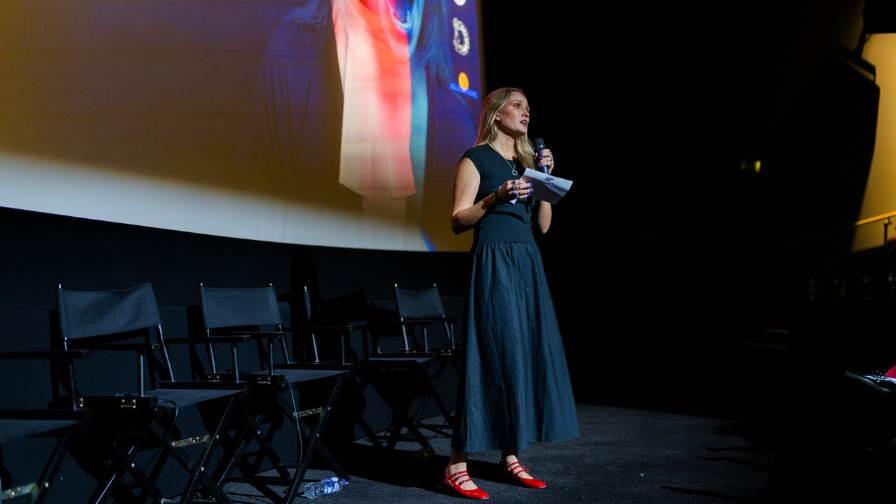
Ten years ago, Sophie Lennox was recovering from brain surgery. Today, she is living a life that once felt entirely out of reach. Here is her reflection on 2016:
Ten years ago, I was recovering from brain surgery.
During the winter months of 2016, my days were quiet and carefully managed. I was learning how to trust my body again after years of living with epilepsy, a condition that had come to define almost every aspect of my childhood and adolescence. At the time, I didn’t see that period as a turning point or a new chapter. I was simply relieved to be alive, and finally seizure-free.
My epilepsy began in 2011 during a cross-country run with my Year 6 class. The first seizure was treated as an isolated incident, but they soon increased in number and severity. My mum took me to see a neurologist and within six months, I was having up to 20 seizures a day. A diagnosis of epilepsy followed, along with an exhausting cycle of medications, each carrying side effects that were often as debilitating as the seizures themselves.
By the age of 12, I was taking double the adult dose of anti-epileptic medication and still experiencing daily seizures. The risks were constant and unavoidable. I fell in front of moving buses, down staircases, and frequently had seizures in the middle of lessons at school. Ordinary childhood activities such as swimming or cycling were no longer possible. Much of life became about minimising risk and staying safe.
Hospital appointments replaced normal routines. There were repeated overnight stays, strict medication schedules, restrictive diets, experimental treatments, and electronic devices designed to stimulate the brain. None of it worked. In fact, some interventions only made things worse.
After two years suffering from incurable epilepsy, I was assessed for brain surgery. Following a year of extensive testing, I was diagnosed with focal cortical dysplasia - which in non-scientific terms is like a birth mark in the brain. It was this that was triggering the seizures.
Perhaps unexpectedly, I felt a huge amount of joy upon hearing the news. I was thrilled that there was a reason, and with that a potential solution. My parents felt differently.
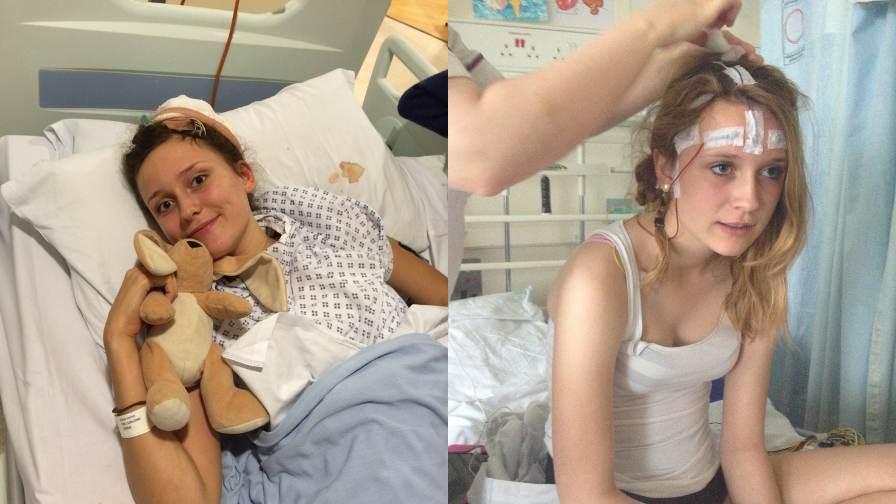
The statistics some of the brain surgeons gave us were frightening and difficult to absorb. There was a 55% chance the surgery would be successful, and a 30% chance I would lose the whole function of my right arm and hand.
My mum worked hard to seek second opinions and eventually found an extraordinary neurosurgeon at King’s College Hospital who was prepared to operate while I remained awake. I was 15 years old. Being awake meant I could move my hand during the procedure, allowing the surgical team to protect the areas of the brain responsible for movement.
The surgeon, Richard Selway, was part of a team led by Dr Antonio Valentin, whose groundbreaking work was supported and funded by Action Medical Research. Their research involved implanting electrodes beneath the skull to stimulate precise areas of the brain, suppressing the region responsible for seizure activity.
My first brain surgery was in September 2015 when these electrodes were implanted. For six days, my brain activity was monitored by Antonio Valentin and his team. Once enough information had been gathered, I then returned to theatre, this time awake, while the surgical team, guided by the electrodes, targeted the affected areas and preserved those controlling movement. Five hours later, the monitor that had previously such intense seizure activity was showing a completely normal EEG.
It turns out that the last seizure I ever experienced occurred one hour before that surgery.
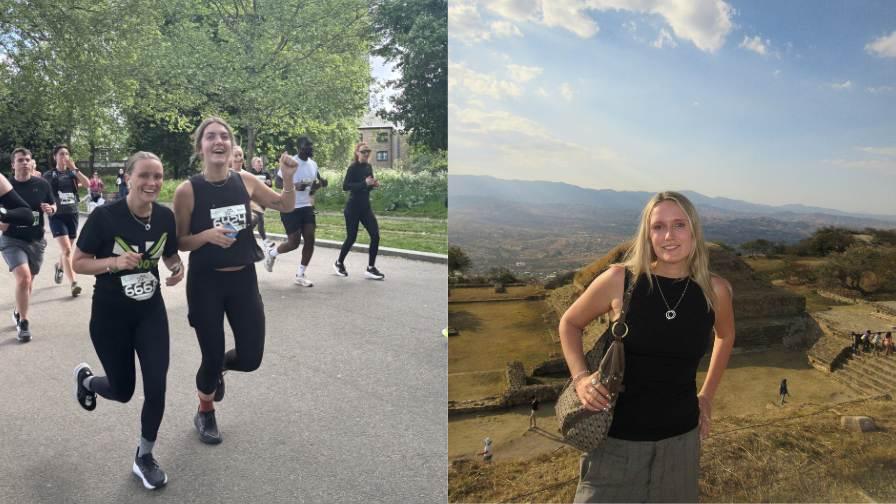
Looking back from a decade on, the scale of that change is difficult to overstate. At the time, the idea that everyday tasks such as crossing the road or taking a shower would no longer feel dangerous seemed almost unimaginable.
Since then, I have completed both undergraduate and postgraduate degrees, achieving first-class honours in each, which after suffering from such severe epilepsy induced learning difficulties, felt unimaginable. I have travelled extensively, moved across the country, worked in refugee camps, schools and colleges. I’ve taken part in activities that would once have been considered impossible. From being unable to even have a shower without someone listening out for a fall to now swimming in the sea alone, my freedom is unmatched. I now work for a sexual violence charity, where I’ve spoken in front of hundreds of children and even delivered a speech in parliament.
None of these things would have ever been possible without this surgery.
Medical research has shaped my family’s life in more ways than one. In 2007, my brother Tom died from a rare muscle disease that yet has no cure. In 2015, research funded by Action Medical Research played a central role in saving my life, or at the very least, giving it back to me.
So as I’ve watched people sharing their memories from 2016, I’ve reflected on my own with gratitude for the life and opportunities I’ve been given since. Medical research has come a long way.
Ten years ago, this surgery was part of a medical trial that fewer than 100 people had undergone. Today, it is common practice - thanks to the work of organisations like Action Medical Research.
Around 64,000 babies, children and young people under 18 years old have epilepsy in the UK. Sadly, up to one third of these young people carry on having seizures despite trying medication, meaning life can be difficult and unpredictable. We still have a long road ahead…
Ten years ago, I was recovering from brain surgery. Today, I am living a life that once felt entirely out of reach."
I know with certainty that without medical research, I would not be here to tell this story.