
Tackling Covid-19 with your support
COVID-19 Children’s Research Appeal
This vital research could lead to new ways to prevent and treat severe illness in children as a result of COVID-19 and shed light on why children are more protected from this virus than adults. It could also help to better understand long-COVID in children. This could provide vital information and support to help now and to fight future pandemics.
We're also funding research that could inform how to protect pregnant women and their babies from any potential risks from this virus both now and in the future, as well as research that could lead to new recommendations for managing cancer care during periods of service disruption.
COVID-19 RESEARCH
Improving the mental health and well-being of children with long COVID
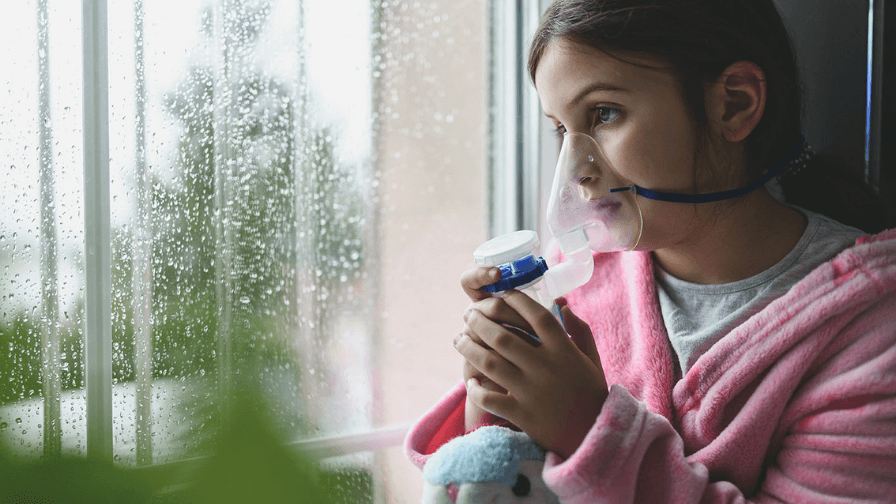
Many children with long COVID describe experiencing ongoing breathlessness and feelings of anxiety or low mood several weeks after infection. These problems can sadly impact their physical, mental or social well-being, interfering with their daily lives, such as their education.
That's why Dr Samatha Sonnappa of the Royal Brompton Hospital in London, is working alongside children with long COVID to develop a new online treatment programme to reduce the impact of symptoms associated with the condition. The programme will include breathing and relaxation techniques and ways to manage anxiety to help improve the well-being of children with long COVID.
You can learn more about this programme on our Long COVID: developing a new online treatment programme to address breathing difficulties and mental health problems in children and young people project page.
We hope this will ultimately lead to an effective new treatment that can help improve the lives of children with long COVID.
Identifying risk factors
Although children are generally less affected by SARS-CoV-2, some children will develop severe COVID-19 and become critically ill with a much wider range of symptoms than adults – a rare condition known as Paediatric Multisystem Inflammatory Syndrome (PIMS). Whilst most will recover from the initial illness, these children can face lasting problems that impact their long-term health and well-being.
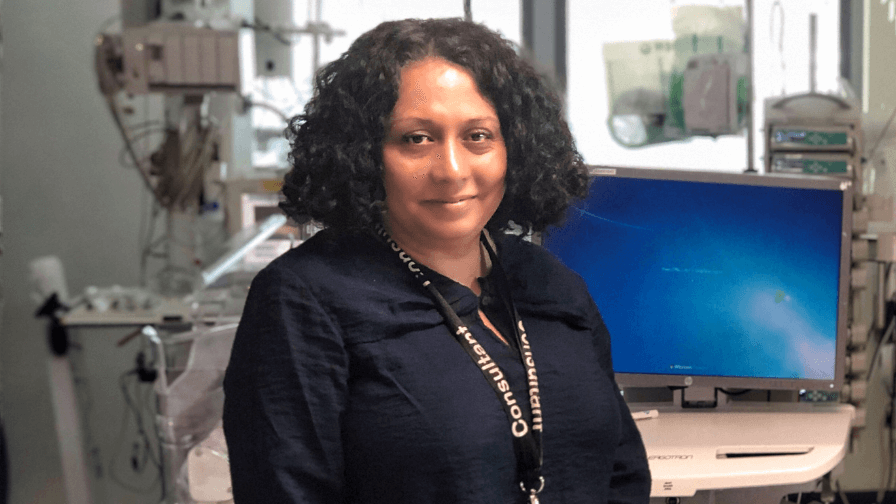
At the University of Cambridge, Dr Nazima Pathan's research aims to identify biological factors that can influence a child’s risk of severe COVID-19 and the long-term complications from the illness. She hopes it can lead to earlier and more personalised treatments to help give these children the best possible outcome.
This research also expects to uncover new knowledge about why children with COVID-19 are more protected from the disease compared to adults – and why they have different symptoms. To learn more please visit our COVID-19 – identifying risk factors for severe disease or long-term complications in children project page.
Our findings could lead to early, personalised treatment for children who are severely affected with COVID-19, giving them the best chance of a full and rapid recovery.
Understanding how COVID-19 affects the brains of children with long COVID
Currently it is unclear how SARS-CoV-2 causes persistent symptoms in some children and what the long-term consequences are for children affected by long COVID. But one possibility is that some symptoms may be caused by ongoing mild inflammation in the brain.
Dr Nathalie MacDermott of King’s College London will carry out brain scans of children with long COVID to determine if they have or may have had some inflammation in their brain.
By establishing if children with long COVID do have detectable brain changes, it could provide vital new insight into the underlying disease processes, the likely long-term outcomes for these children and how best to help their recovery. To learn more please visit our Long COVID: understanding how COVID-19 affects the brains of children with persistent symptoms project page.
We hope our results will lead to new tests to identify children and young people with brain changes associated with long COVID – and new treatment strategies to give them the best possible long-term outcome.”
Understanding infection in pregnant women and their babies
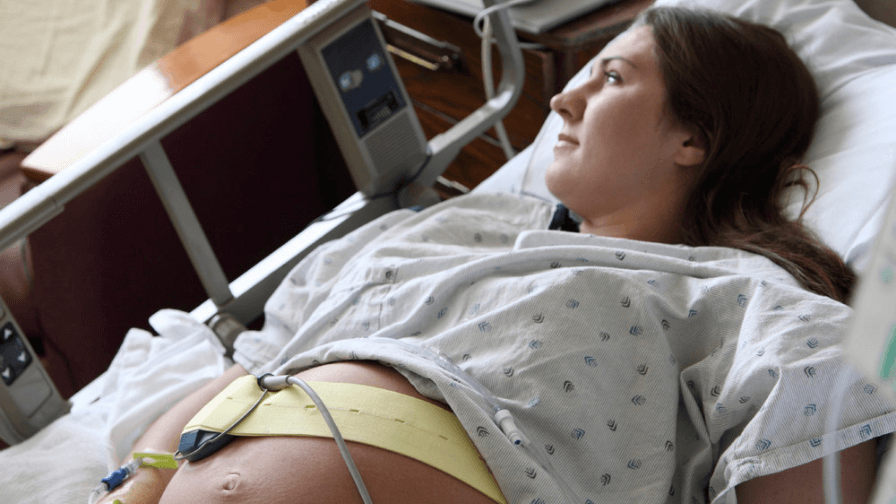
It’s thought that thousands of pregnant women in the UK are likely to have been infected with SARS-CoV-2 – many with no symptoms. Professor Kirsty Le Doare at St George’s University of London is leading a study that aims to screen pregnant women from a variety of hospitals across England to identify how many women have been infected with the virus – and whether the virus or protective antibodies are passed from the mother to her baby during pregnancy, delivery or breastfeeding.
Professor Le Doare hopes her findings will help inform how to protect women and their babies from any potential risks from this virus, both now and in the future. If you'd like to learn more please visit our COVID-19: Understanding SARS-CoV-2 infection in pregnant women and their babies project page.
We hope that our findings will help to reassure pregnant and breastfeeding women about how to safely care for their babies. It will also help inform future decision-making about vaccinating pregnant women to help protect them and their babies from infection.
JOIN THE FIGHT AGAINST COVID-19
Why do children respond differently to COVID-19 than adults?
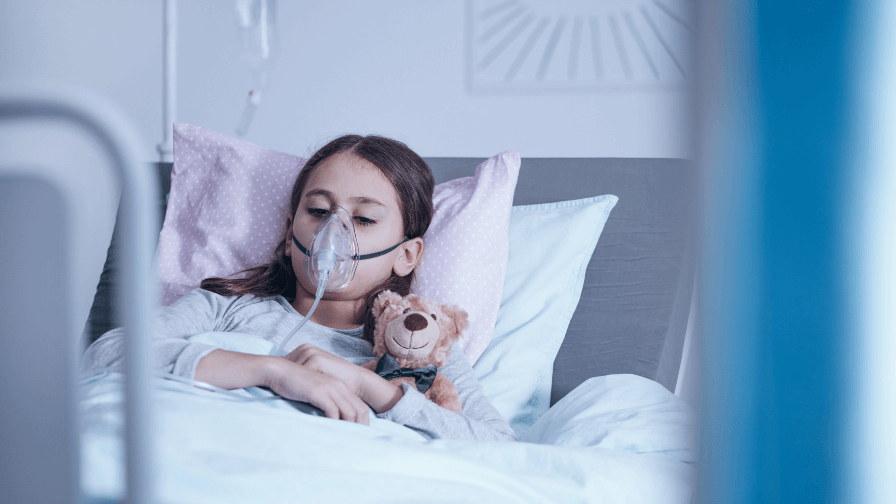
Dr Marko Nikolić of University College London has partnered with Dr Kerstin Meyer at the Wellcome Sanger Institute to answer some of the biggest unknowns of the pandemic; why children are generally less affected by COVID-19 than adults and why the children who are infected are more susceptible than others.
The researchers are investigating whether children have lower amounts of a molecule in the lining of their nose that could make it harder for SARS-CoV-2, the virus that causes COVID-19, to infect their cells compared to adults. The results of this research could offer vital insight into how to combat serious illness in children and adults in current and future pandemics. If you'd like to learn more please visit our COVID-19 – understanding why children respond differently to infection compared to adults project page.
We hope to uncover vital new clues that lead to new approaches to prevent or reduce severe disease – and also help inform public health measures so that we can be more prepared to deal with future pandemics.
Studying the pandemic’s impact on children with brain tumours
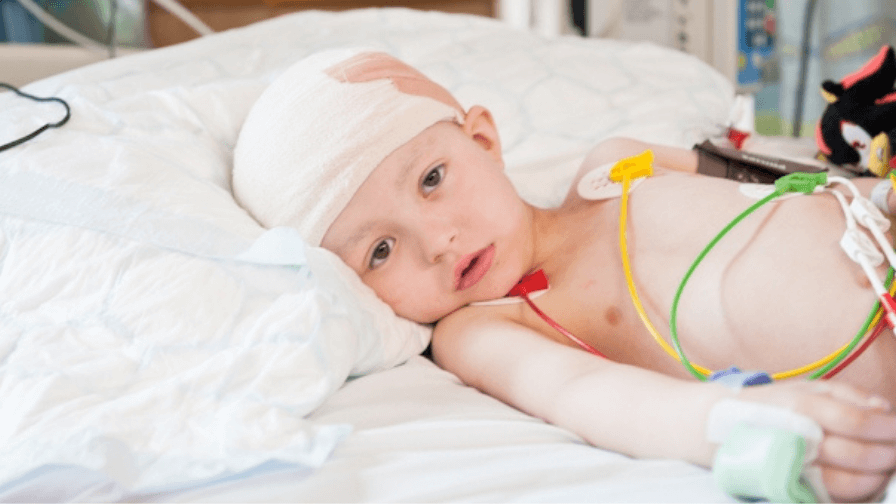
Since the start of the COVID-19 pandemic, hundreds of children will have received the devastating diagnosis that they have a brain tumour – sadly the most common cause of childhood cancer death.
Dr Ibrahim Jalloh at Addenbrooke’s Hospital in Cambridge and Professor Rachel Isba of Lancaster University are studying whether disruptions to the health service have affected how long it took these children to receive a diagnosis and start treatment – and the likelihood of a successful outcome.
The research will not only give these children and families an opportunity to share their experiences, but also inform guidance for treating cancer patients during periods of disruption. You can learn more details about this project on our COVID-19: exploring the impact of the pandemic on the diagnosis, treatment and outcomes of children with brain tumours project page.
Our findings should lead to recommendations for managing cancer and other specialist healthcare services during future periods of service disruption.
SARS-CoV-2 impact on a child’s brain development
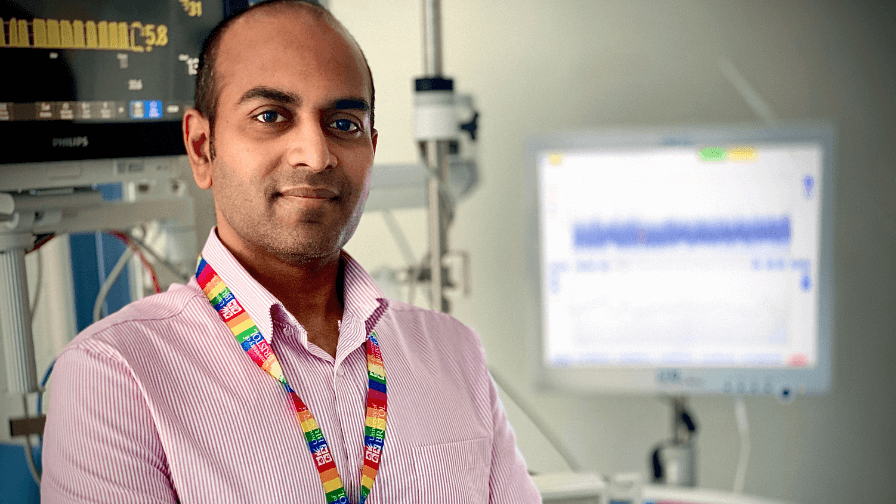
At the University of Bristol, Dr Ela Chakkarapani is investigating the potential consequences of exposure to SARS-CoV-2 on a child’s early development. The research will assess children exposed to the virus in the womb or shortly after birth, against children who were not, checking for any early signs of developmental delay in exposed babies.
The findings could help identify babies who may be at increased risk of behavioural or emotional problems and need additional support. Dr Chakkarapani also hopes to follow up with these babies later in their childhoods – to enable future studies into their long-term development and mental health.
If you'd like to read more details about this research please visit our COVID-19 – understanding the impact of exposure to SARS-CoV-2 early in life on a child’s brain development and mental health page.
This study could help shape advice for pregnant women and new parents – and identify children who may need additional checks and support. The results could also stimulate research into new treatments to help reduce the long-term impact of COVID-19 on children’s lives.