
Matilda's story
Niemann-Pick disease type C
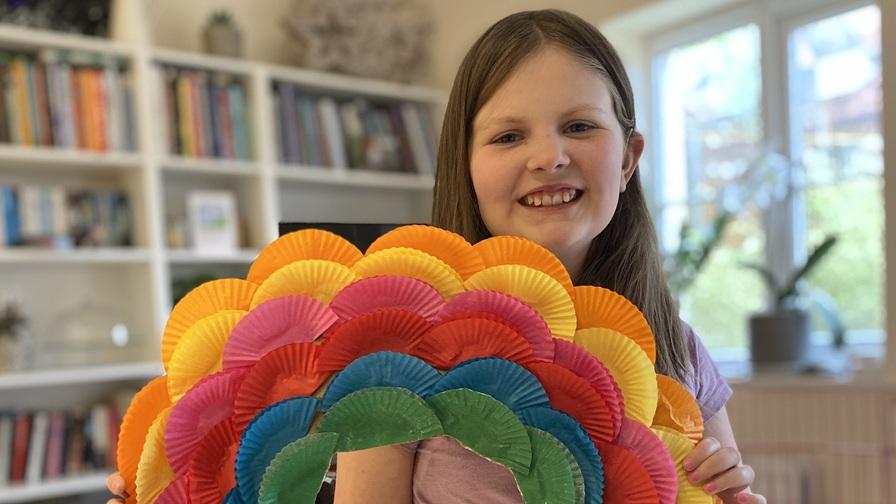
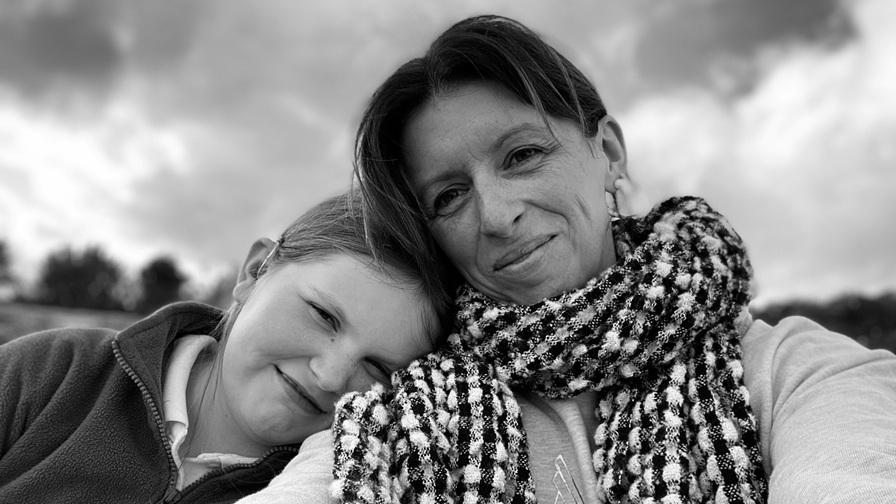
The shattering diagnosis came when Matilda was just five. Georgina and her husband John had noticed that their little girl frequently fell down, like a puppet with its strings cut, injuring herself. Medical investigations followed and the devastating genetic disorder was discovered.
Our world crumpled when the doctor said, ‘I’m so sorry’”
Children with NPC develop major problems coordinating movements such as walking, their vision can be impaired, and their intellectual abilities decline. Treatments are currently very limited and there is no cure. Sadly, many do not survive into adulthood.
The family felt overwhelmed by anger and fear: “It really affected Matilda’s mental health – being different, the only one in her world with NPC. One minute she was a regular kid in her class, the next she was having frequent hospital appointments,” Georgina says.
Treatment has been gruelling, with Matilda enduring a lumbar puncture every two weeks to administer drugs as part of a clinical trial.
We decided at the outset to fight NPC. We were not going to just sit back and let it happen”
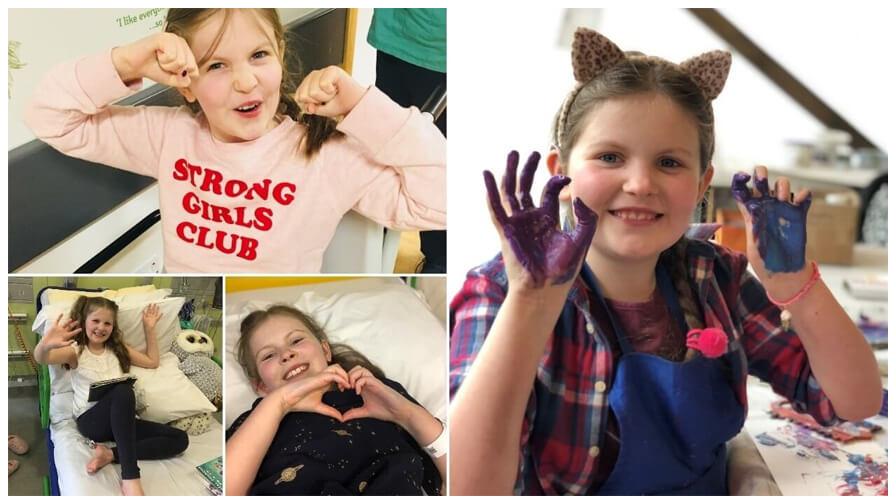
Helping Matilda understand her condition and her treatment has been a heartbreaking challenge but Georgina and John are incredibly proud of how their daughter has dealt with all that has happened to her: “She has astonished us all. She is our little fighter.”
Matilda’s sight has been affected by NPC and she has memory and cognitive impairment. Sadly, as she’s grown older, she has also developed epilepsy and experiences small seizures on a daily basis. “She needs constant supervision and support around the clock,” says Georgina. “After some of the seizures, she experiences confusion and bewilderment, which can be hard for her to cope with.”
Despite all she goes through, Matilda remains in good spirits, says her mum.
Action Medical Research previously co-funded research to support important laboratory tests at the University of Oxford, to find out if an existing drug, already used to treat multiple sclerosis (MS), could be re-purposed as a new treatment for NPC. Currently the charity is funding research at the University of Birmingham to find out whether existing therapies used for other health conditions could help slow the progression of symptoms that affect the nervous system in NPC1 and also in Wolfram Syndrome, another rare condition.
Research is really, really important because everybody in the NPC community has the same goal – we all want a better life and a future for our children”